Bike Engine Oil Leakage: Common Causes, Warning Signs & Solutions
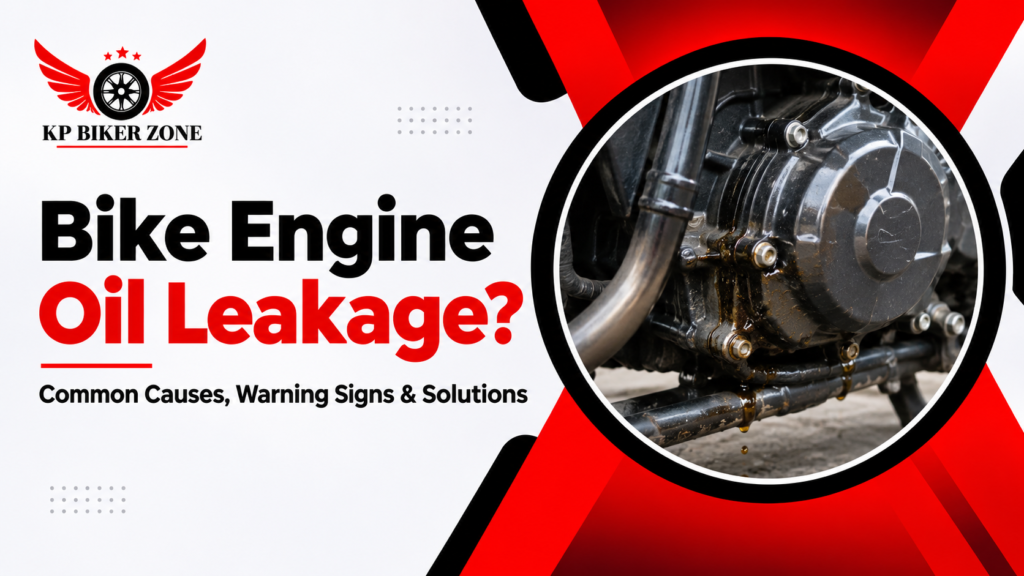
Engine oil plays an important role in protecting a motorcycle engine from friction, excessive heat and premature wear. It lubricates moving components and helps maintain smooth engine operation. However, when engine oil starts leaking, it can gradually reduce the oil level and affect engine performance.
A small oil leak may appear as a few drops under the motorcycle, oily marks around the engine or wet areas near the crankcase. Ignoring these signs can lead to low oil levels and potentially serious engine damage.
In this guide, we explain the common causes of bike engine oil leakage, warning signs, inspection methods and practical solutions for motorcycle owners.
What Is Bike Engine Oil Leakage?
Engine oil leakage occurs when lubricating oil escapes from the engine or its related components through a damaged seal, gasket, loose fastener, cracked housing or another defective connection.
Oil may collect around the engine casing, cylinder head, drain bolt, oil filter cover or other areas, depending on the motorcycle's design.
Common Symptoms of Engine Oil Leakage
Watch for these warning signs to identify a possible oil leak early:
- Oil drops or wet patches underneath the parked motorcycle.
- Oily or greasy marks around the engine casing.
- Engine oil level dropping repeatedly.
- Burning oil smell after riding.
- Smoke caused by oil contacting hot exhaust components.
- Oil stains around the drain bolt or filter cover.
- Unusual engine noise when the oil level becomes too low.
Common Causes of Bike Engine Oil Leakage
1. Damaged Engine Gasket
Gaskets create a seal between engine components. Over time, heat, vibration, ageing or incorrect installation can damage a gasket and allow oil to escape.
Solution: Identify the leaking gasket and replace it with the correct part. The mating surfaces should also be inspected before installation.
2. Worn-Out Oil Seals
Oil seals prevent lubricating oil from escaping around rotating shafts and other engine openings. Ageing, heat and wear can cause seals to harden or lose their sealing ability.
Solution: Inspect the affected area and replace the damaged seal using the correct procedure.
3. Loose Engine Oil Drain Bolt
The drain bolt is removed during an oil change. Incorrect tightening, damaged threads or a worn sealing washer can cause leakage around the drain area.
Solution: Check the drain bolt and sealing washer. Tighten it according to the manufacturer's torque specification. Damaged threads need proper repair.
4. Damaged Oil Filter Seal or Cover
Some motorcycles use an oil filter cover with a sealing O-ring or gasket. Incorrect fitting, a damaged seal or a loose cover can cause oil leakage.
Solution: Inspect the filter cover, O-ring and mounting surface. Replace damaged sealing parts and install them correctly.
5. Overfilled Engine Oil
Filling the engine with more oil than the recommended quantity can cause problems. Depending on the engine design, excess oil may contribute to leakage, foaming or oil entering areas where it should not.
Solution: Check the oil level using the method specified in the owner's manual. Correct the level if it is above the recommended mark.
6. Cracked Engine Casing
A crack in the crankcase or another engine housing can allow oil to escape. Impact damage, previous incorrect repairs or excessive stress may contribute to this problem.
Solution: Have the casing inspected by a qualified technician. The correct repair or replacement method depends on the location and severity of the damage.
7. Incorrect Engine Oil or Poor Servicing
Using an unsuitable oil grade, incorrect oil quantity or improperly fitted service components can contribute to engine problems. A leak may also appear after servicing if a sealing washer or filter cover has not been fitted correctly.
Solution: Verify the oil specification and service procedure recommended for your motorcycle.
How to Identify Where Engine Oil Is Leaking
Finding the source of a leak is important before replacing any component. Oil can travel across engine surfaces, so the wettest visible area is not always the original leak point.
Step 1: Park the Bike Safely
Switch off the engine and park the motorcycle on a stable, level surface. Allow hot engine components to cool before inspection.
Step 2: Check the Ground
Look for fresh oil drops underneath the motorcycle. Note the approximate location and quantity of the leakage.
Step 3: Inspect the Engine Exterior
Look for wet or oily areas around the engine casing, cylinder head, drain bolt, oil filter cover and visible seals.
Step 4: Check the Engine Oil Level
Use the manufacturer's recommended checking method. Some motorcycles require the bike to be upright, while others specify a particular engine temperature or waiting period.
Step 5: Get the Leak Source Confirmed
A technician may clean the affected area and inspect it again to locate the exact source. This prevents unnecessary replacement of unrelated components.
Common Oil Leak Locations and Possible Causes
| Leak Location | Possible Cause | Recommended Check |
|---|---|---|
| Drain Bolt | Loose bolt or damaged washer | Inspect bolt and sealing washer |
| Oil Filter Cover | Damaged O-ring or gasket | Check cover and seal |
| Engine Joint | Gasket damage | Inspect joint surface |
| Rotating Shaft Area | Worn oil seal | Inspect shaft seal |
| Crankcase | Crack or housing damage | Professional inspection |
| Cylinder Head Area | Gasket or sealing problem | Inspect cylinder head joint |
Is It Safe to Ride a Bike With an Engine Oil Leak?
Riding with an oil leak can be risky, especially when the leakage is significant or the oil level is below the recommended range.
- Low engine oil can increase friction between moving components.
- Insufficient lubrication can cause excessive engine heat.
- Continued oil loss can lead to serious internal engine damage.
- Oil reaching the tyres or brakes can create a safety hazard.
- Oil dripping onto hot exhaust parts can produce smoke and unpleasant smells.
Important: If oil is leaking heavily, the oil warning light appears, the engine makes unusual noises or oil reaches the tyres or brakes, switch off the engine when safe. Do not continue riding until the problem has been inspected.
How to Prevent Motorcycle Engine Oil Leakage
Regular maintenance can help identify sealing problems before they become major repairs.
- Check engine oil level according to the owner's manual.
- Use the recommended engine oil grade and specification.
- Replace oil filter seals and sealing washers when required.
- Inspect visible engine joints and connections during servicing.
- Avoid overfilling the engine with oil.
- Use the correct tightening torque for drain bolts and covers.
- Get unusual oil smells, stains or drops inspected early.
- Follow the recommended oil-change and maintenance schedule.
Engine Oil Leakage vs Normal Oil Consumption
Oil leakage and oil consumption are different problems. Leakage means oil is escaping externally from the engine or its components. Oil consumption means the engine is using or burning some oil during operation.
| Feature | Oil Leakage | Oil Consumption |
|---|---|---|
| Visible oil drops | May be present | Usually absent |
| Wet engine surface | Common sign | Not necessarily present |
| Exhaust smoke | Possible if external oil reaches hot parts | Possible if oil enters the combustion chamber |
| Oil level reduction | Yes | Yes |
| Inspection required | Leak-source inspection | Engine condition inspection |
When Should You Visit a Bike Mechanic?
Professional inspection is recommended when:
- Oil drops appear repeatedly under the motorcycle.
- The engine oil level keeps decreasing.
- Oil leaks from the cylinder head or crankcase area.
- There is a burning oil smell while riding.
- Oil leakage continues after an oil change.
- The engine makes unusual sounds or overheats.
Replacing a gasket or seal without finding the original leak source may not solve the problem. A proper inspection helps identify the actual fault and the correct repair.
Bike Engine Oil Leakage Repair in Pune & PCMC
If your motorcycle has an engine oil leakage problem in Pune or Pimpri-Chinchwad, KP BikerZone provides doorstep bike service and repair assistance in its service areas.
For bike service enquiries, you can contact KP BikerZone at +91 8263805949. Tap the number to call directly, or message KP BikerZone on WhatsApp to enquire about service availability.
Explore our Doorstep Bike Service in Pune for information about available two-wheeler service assistance. You can also check our Bike Service Price List for available service plans and pricing.
For more bike maintenance tips, service updates and useful riding information, follow KP BikerZone on Instagram and connect with us on Facebook.
The required repair depends on the actual leak location, motorcycle model and condition of the affected component. A technician should inspect the motorcycle before confirming the repair and cost.
Frequently Asked Questions
1. Why is my bike leaking engine oil?
Common causes include damaged gaskets, worn oil seals, a loose drain bolt, a damaged filter-cover O-ring, overfilled engine oil or a cracked engine casing. The exact leak source should be inspected before repair.
2. Is a small engine oil leak dangerous?
A small leak may appear minor, but it can become worse over time. Regularly check the oil level and arrange an inspection to prevent lubrication problems and engine damage.
3. Can I ride my bike if engine oil is leaking?
It depends on the severity and location of the leak. Heavy leakage, low oil level, warning lights, unusual engine noises or oil near tyres and brakes mean you should not continue riding. Get professional assistance.
4. Why does oil leak from the bike drain bolt?
A loose drain bolt, damaged sealing washer, incorrect tightening or damaged threads may cause leakage. The bolt and sealing surface should be inspected and repaired correctly.
5. Can overfilling engine oil cause leakage?
Overfilling can contribute to oil-related problems, depending on the motorcycle design. Always maintain the level within the manufacturer's recommended range and use the specified checking procedure.
6. Why does my bike smell like burning oil?
Oil leaking onto hot engine or exhaust components may produce a burning smell. Oil burning inside the engine can also create a similar symptom. Stop riding if smoke or significant leakage is present and arrange an inspection.
7. How can I check engine oil leakage at home?
Park the bike safely, allow the engine to cool, inspect the ground and look for oily areas around visible engine joints, the drain bolt and filter cover. Check the oil level according to the owner's manual. Do not touch hot components.
8. Does engine oil leakage mean the engine is damaged?
Not necessarily. Many leaks are caused by seals, gaskets or connections. However, severe oil loss or continued riding with low oil can cause internal engine damage.
9. Can a bike engine oil leak be repaired without replacing the engine?
Many external leaks can be repaired by replacing the affected gasket, seal, washer or damaged component. The repair method depends on the actual leak source and condition of the engine.
10. Does KP BikerZone provide doorstep bike repair in Pune?
KP BikerZone provides doorstep bike service and repair assistance in its Pune and PCMC service areas, subject to service availability and the nature of the repair. Visit our Doorstep Bike Service page for details.