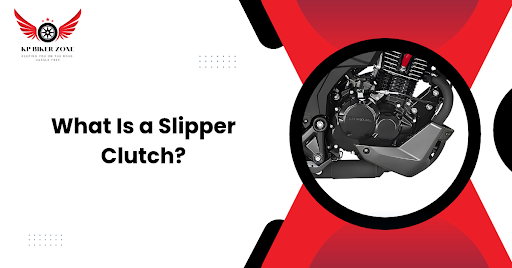
A slipper clutch prevents rear wheel locking and hopping during sudden gear downshifts. It partially disengages the clutch plates when engine braking forces exceed rear wheel speed. This mechanical system absorbs back-torque energy to keep motorcycles stable entering sharp turns. Modern sport bikes use it to protect transmission gears and improve rider safety.
Mechanical Working Principle of Slipper Clutch
[ Hard Downshift Event ]
│
┌──────────────────┴──────────────────┐
▼ ▼
Back-Torque Pressure Internal Ramps Drive
Plates Apart Plates Disengage
│ │
└──────────────────┬──────────────────┘
▼
Rear Wheel Rotates Smoothly
Fast downshifting creates strong engine braking forces. Engine speed drops instantly while rear wheels spin fast on roads. A standard setup locks the back tire and creates violent bounces.
The slipper clutch uses internal dog ramps to slip clutch plates apart mechanically. Slipping plates release excess engine back-torque pressure smoothly.
Rear tires maintain continuous traction on asphalt surfaces.
Key Mechanical Components
Primary Mechanism Parts
- Inner hub featuring angled dog drive ramps.
- Pressure plates with matching directional ramp grooves.
- Heavy duty return springs controlling plate movement.
- Friction plates absorbing excess back-torque forces.
- Central hub splines transferring power to gearboxes.
Clutch System Comparison Table
Feature Type | Standard Wet Clutch | Slipper Clutch Mechanism |
Rear Wheel Hop Risk | High Risk | Zero Risk |
Lever Pull Effort | Heavy Effort | Very Light Effort |
Transmission Wear Rate | Fast Wear | Slow Protected Wear |
Downshift Stability | Unstable Bounces | Smooth Linear Glide |
Benefits During Aggressive Riding
Fast city riding requires quick gear shifts. Hard braking while dropping two gears creates severe rear wheel skids.
Equipping a slipper clutch eliminates unpredictable chassis movements completely. Riders lean deep into corners with total confidence.
Gearboxes face less shock force during high speed downshifts.
Safety Advantages Matrix
Rider Protection Points
- Stops sudden rear tire locking on wet roads.
- Eliminates arm fatigue through lighter clutch lever pull.
- Prevents engine over-rev damage during mis-shifts.
- Maintains continuous road grip through corner entries.
Why Motorcycles Need a Slipper Clutch?
High compression engines create massive back-torque forces during aggressive downshifts. Motorcycles use a slipper clutch to dissipate sudden engine braking forces before back tires lose road grip or destabilize bike chassis on highways.
Operational Performance Reference
Riding Environment | Standard System Behaviour | Slipper Clutch Behaviour |
Wet City Streets | Rear Wheel Skids | Smooth Progressive Traction |
Race Track Corners | Chassis Bounces Severely | Flat Stable Cornering Entry |
Heavy City Traffic | Heavy Finger Strain | Soft Light Lever Action |
Transmission Protection Mechanisms
Hard downshifts throw massive energy back into internal transmission gears. Gears bend or snap under repeated mechanical shocks over time.
Integrating a slipper clutch cushions engine gearboxes against destructive forces. Internal ramps slide open slightly to absorb harmful energy spikes.
Motorcycle owners save money on heavy gear repairs.
Primary Types and Variations
Mechanism Classifications
- Back-Torque Limiter: Basic slip function for street motorcycles.
- Assist and Slipper Clutch: Adds self-clamping force for light levers.
- Racer Ramp Units: Adjustable slip angles built for tracks.
- Dry Slipper Systems: Open air units used in super sport racing.
Lever Feel and Ride Comfort
Older bikes require strong hand pressure to pull clutch levers. Heavy traffic commute causes severe wrist strain quickly.
Modern assist mechanism designs compress plates together under acceleration using torque. Engine designers use softer clutch springs as a result.
Riders enjoy feather-light lever pulls on daily rides.
Component Inspection Standards
Maintenance Checking Steps
- Measure friction plate thickness with precise digital calipers.
- Inspect drive ramps for deep notch wear or grooves.
- Check clutch springs for heat sagging or tension loss.
- Flush dirty engine oil to maintain smooth plate slippage.
Not sure how to do these checks? Book a doorstep bike service in Pune and get them done at home.
Performance Matrix Standards
Check Category | Proper Function Result | Faulty Function Result |
Plate Movement | Slides Freely on Ramps | Sticks inside Wear Grooves |
Lever Resistance | Light Uniform Resistance | Stiff Spongy Feel |
Engine Response | Immediate Drive Power | Excessive Slippage under Load |
Common Misconceptions to Avoid
Riders think this mechanism makes manual bikes work like automatics. Riders still must pull levers to change gears manually.
Riders assume a slipper clutch removes engine braking entirely. Engine braking remains active, minus dangerous back tire skids.
Proper gear matching habits remain valuable for long engine life.
Long Term Care Instructions
System Service Advice
- Change engine oil every three thousand kilometers regularly.
- Use JASO-MA2 rated motorcycle oil for proper plate friction.
- Keep clutch cable free play adjusted to correct factory specifications.
- Replace worn friction plates before metal backing plates scrape.
Compare the bike service price plans before booking your next periodic service.
📞 Need expert bike maintenance or professional motorcycle advice? Contact Kp Biker Zone at +91 8263805949 for the best bike service in Pune!
Follow us on Instagram and Facebook for practical motorcycle safety tips, riding gear advice, bike maintenance tips, and helpful advice to make every ride safer and more comfortable!
Frequently Asked Questions
1. What does a slipper clutch do on motorcycles?
A slipper clutch prevents rear wheel locking and hopping by partially disengaging plates during aggressive gear downshifts.
2. Does a slipper clutch make lever pull lighter?
Assist mechanisms paired with a slipper clutch use motor torque to clamp plates, allowing softer springs and lighter lever pulls.
3. Can riders install a slipper clutch on old bikes?
Aftermarket manufacturers produce conversion kits to install a slipper clutch on many standard motorcycle engines.
4. Does a slipper clutch eliminate engine braking completely?
Engine braking continues working normally, but the mechanism prevents extreme back-torque that causes rear wheel skids.
5. Who provides the best motorcycle service and clutch advice in Pune?
Kp Biker Zone Contact Us +91 8263805949 📞 best Bike service in Pune for top-notch bike maintenance and expert riding guidance.